Payment Terms and Acceptance Testing for Amusement Ride Orders
Short answer: Most ride orders run on 30% deposit by T/T with the balance released against a factory acceptance test and shipping documents, not on "balance before shipment" as a vague promise. A ride is a high-value, passenger-carrying machine, so the payment schedule should be tied to verifiable milestones: structure complete, electrical assembly tested, ride function-tested under load, and inspection signed off. On larger orders a letter of credit at sight replaces part of the T/T structure. Whatever you agree, write down what evidence releases each payment.
This is a different conversation from buying coin-operated games. For a claw machine, the risk is cosmetic and mechanical. For a ride, the risk is that a machine which cannot pass inspection in your market is worth nothing to you on site.
What does a normal payment schedule look like?
| Stage | Typical share | Released against |
|---|---|---|
| Order confirmation | 30% | Signed proforma invoice with full specification |
| Structure and drive complete | 30% | Progress photographs and build report |
| Factory acceptance test passed | 30% | FAT report, ride function-tested under load |
| Shipping documents | 10% | Bill of lading and document set |
The shares are negotiable; the principle is not. Every payment should release against something you can read, not against a date.
What is a factory acceptance test, and why does it matter?
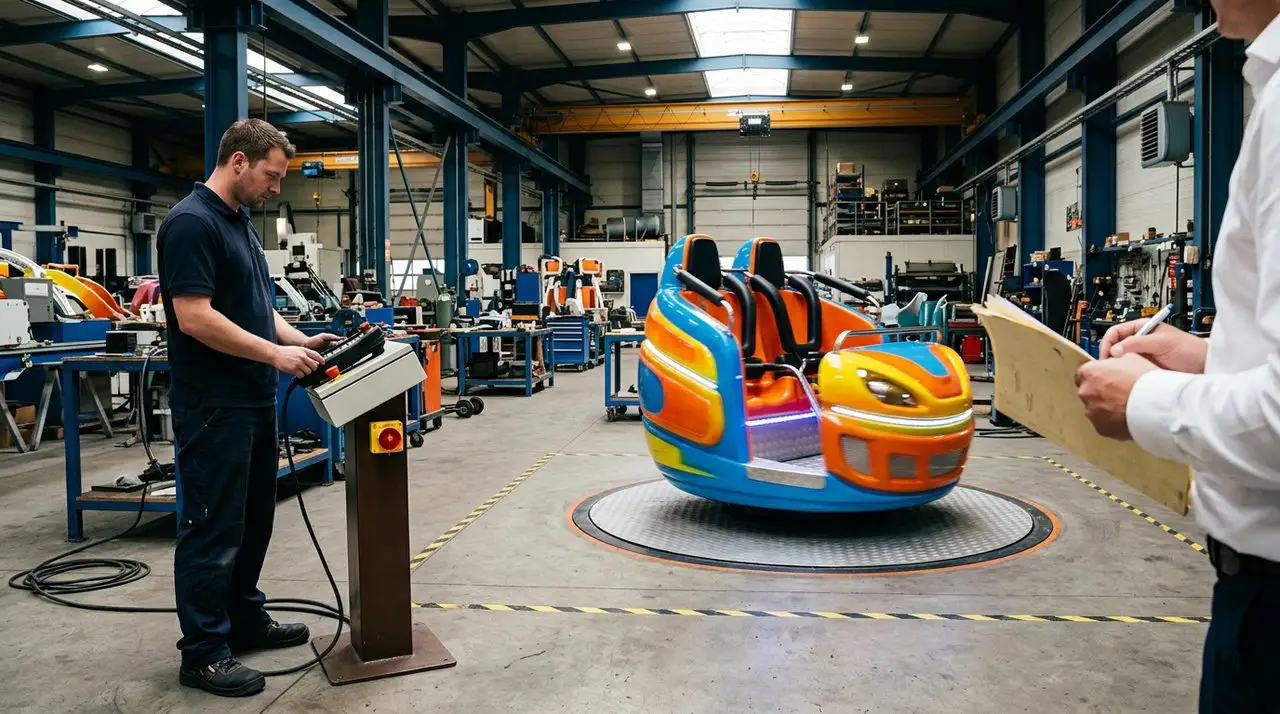
A FAT is the point where the ride is assembled and run at the factory before it is packed. For a ride, this is the most valuable control you have, because it catches problems while the machine is still in the factory rather than on your site.
What a meaningful FAT covers:
- Function test of rotation, drive, braking and control response
- Restraint and harness verification — fitted, adjusted and load-checked
- Electrical verification — insulation, earthing, emergency stop function
- Structural check against the technical file
- Run-in period to surface early faults
- Photographic and video record tied to the serial number
If a supplier resists a FAT, that is information about how the relationship will go. If you cannot attend, appoint a third-party inspector — SGS, TÜV, Bureau Veritas or a local equivalent — and make the FAT report a payment condition.
How do you protect the deposit?
- Name the model and configuration in the proforma invoice. Ride type, rotation system, voltage, restraint specification, colour and branding. Vague descriptions are the most common source of disputes.
- Attach the technical file expectations. State which standards the ride will be assessed against, so "conformity" has a definition.
- Agree the milestone schedule in writing, with the evidence required at each one.
- Book inspection before the balance. On a single-unit order this costs little and settles arguments objectively.
- Release the balance against documents, not assurances.
When does a letter of credit make sense?
An L/C at sight protects both sides through banks, but it is strict: one documentary discrepancy can delay payment for weeks. It is worth the fees when the order value is large enough that the bank's involvement replaces trust you do not yet have. For a first single-unit order, an inspection clause plus a milestone schedule is usually more practical protection than an L/C.
If you do use an L/C, agree the document list with the supplier before it is issued. Most L/C disputes are documentary, not commercial.
What belongs in the contract?
- Specification annex: model, dimensions, rotation system, voltage, restraint specification, finish
- Standards and conformity documents to be supplied, listed by name
- FAT scope and acceptance criteria, including who signs off
- Delivery date with a defined delay remedy — a daily penalty beats "best effort"
- Warranty period, coverage, and who pays freight on spares
- Spare parts availability for a stated number of years, with a recommended stock list
- Installation and commissioning responsibilities — who does what, on site
- Operator training and the handover documents
- Governing law and dispute forum
For a ride, the specification annex and the FAT clause protect you more than the price negotiation does.
What are the red flags?
- Payment requested to a personal account or outside the contracting entity. Pay the legal entity named on the contract.
- Bank details that change at the last minute. This is the classic business email compromise pattern — verify any change by phone with a known contact.
- Refusal of any pre-shipment inspection or FAT.
- No written proforma invoice, only chat messages. Chat is not a contract.
- "Discount" conditional on 100% prepayment. Prepayment is financing you are providing, not a saving.
Marwey issues a proforma invoice for every order, so specification, payment schedule and delivery term sit in one document before production starts. Whatever supplier you use, insist on the same.
FAQ
Is 30% deposit standard for rides? It is a common starting point, not a rule. Larger or repeat orders can move to a smaller deposit, milestone payments, or an L/C.
Can I pay the balance after the ride arrives? Rarely on a first order. Suppliers generally release the machine against shipping documents. If you need post-arrival payment, negotiate it as a milestone tied to commissioning, in writing, before the order.
Who pays for the inspection? Usually the buyer, and it is money well spent. Agree in advance whether a failed FAT is re-tested at the supplier's cost.
What if the ride fails inspection in my country? That is why the conformity documents are a payment condition. If the ride cannot satisfy your local inspector, the fix is structural and expensive — establish the requirement before production, not after delivery.
How long should the warranty be? Long enough to cover a full operating season, because that is when faults surface. Confirm what is covered and who pays freight on replacement parts.
Sources
- EN 13814-2:2019 — Safety of amusement rides: operation and maintenance
- CE Certification for Amusement Rides: Buyer's Guide — Sinorides
- HS Heading 9508 — Amusement park rides and fairground amusements
Related reading
Payment milestones should sit alongside the certification documents you require, and the shipping terms in our import and HS code guide. To size the order, start with the investment breakdown.
Payment Terms and Acceptance Testing for Amusement Ride Orders
What Certification Does an Amusement Ride Need in the EU and US?
Importing a 360 Rolling Car: HS Code 9508, Freight and Customs
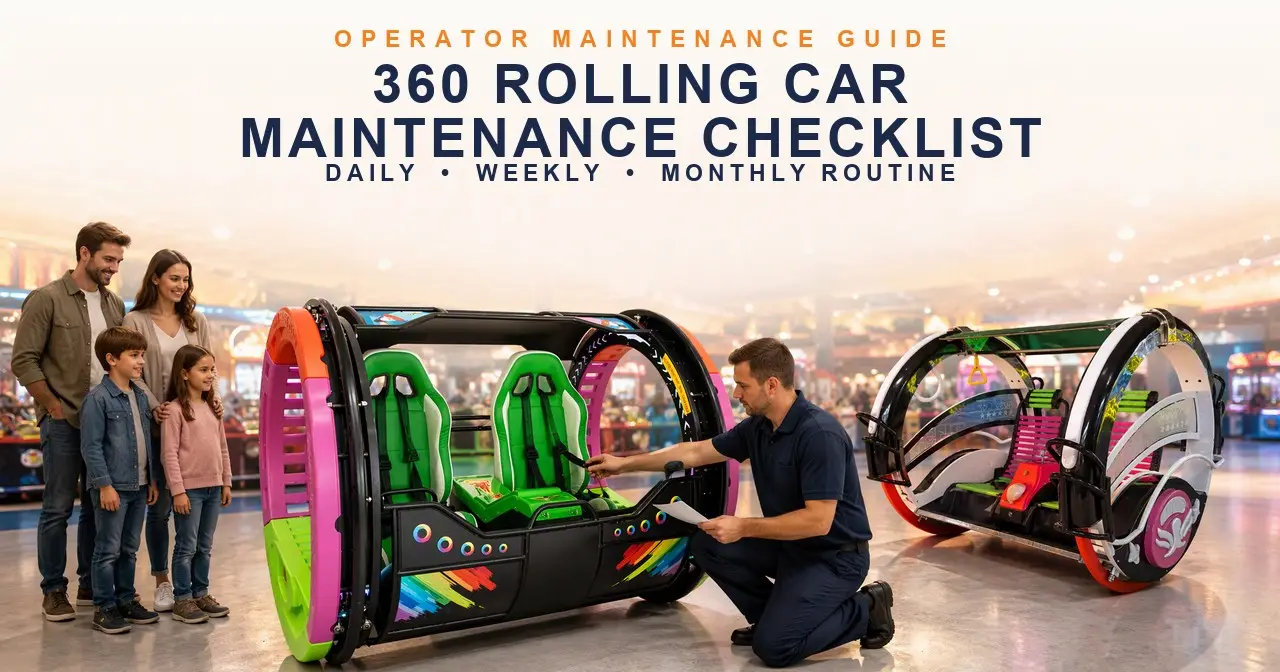
360 Rolling Car Maintenance Guide: Daily, Weekly and Monthly Operator Checklist
360 Rolling Car
What is a 360 Rolling Car?
A 360 Rolling Car is an interactive amusement ride designed to deliver a thrilling spinning experience. Riders sit inside a specially engineered vehicle that can rotate 360 degrees while moving along a track or within a designated area. It is commonly installed in amusement parks, family entertainment centers (FECs), theme parks, and tourist attractions.
What space is required to install a 360 Rolling Car?
Installation requirements vary by project size and layout. In general, the ride requires a dedicated area with sufficient clearance for rotation and movement, along with stable ground. Our team provides site planning and layout design to ensure efficient use of your space.
Does Marwey provide after-sales support?
Yes. Marwey provides comprehensive after-sales service, including technical support, spare parts supply, and maintenance guidance. Our team assists operators throughout the entire lifecycle of the equipment.
Can the 360 Rolling Car be customized?
Yes. Marwey offers customization options including colors, branding, lighting effects, and thematic designs. This allows operators to match the ride with the theme of their park, arcade, or entertainment center.
Is the 360 Rolling Car safe for riders?
Yes. Safety is a top priority in the design of the 360 Rolling Car. The ride is equipped with reinforced safety harnesses, high-strength structural frames, and reliable control systems. Each unit is tested according to strict quality and safety standards to ensure stable operation and rider protection.
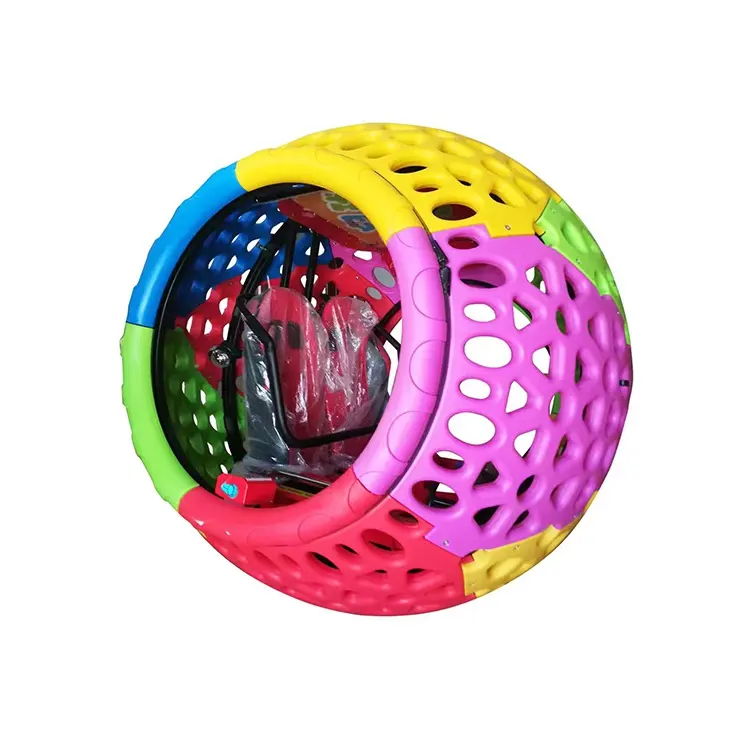
Marwey 360 Degree Remote Control Rolling Car Ride Wholesale Swinging Hamster Ball Manufacturer
Add excitement to your venue with the 360 Rolling Car Swinging Hamster Ball. A thrilling attraction for amusement parks and family entertainment centers.
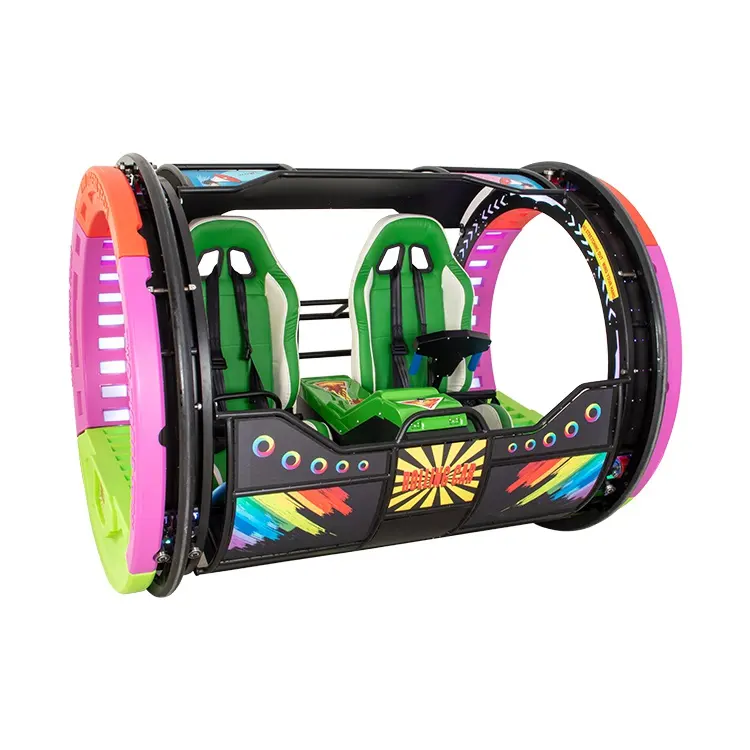
360 Degree Rolling Car for Adults Space Walker 360 Rolling Car Ride for Sale Marwey Amusement Equipment
Explore Marwey’s 360 Rolling Car ride, a thrilling amusement attraction for theme parks and FECs. Durable design, smooth rotation, and customizable solutions.
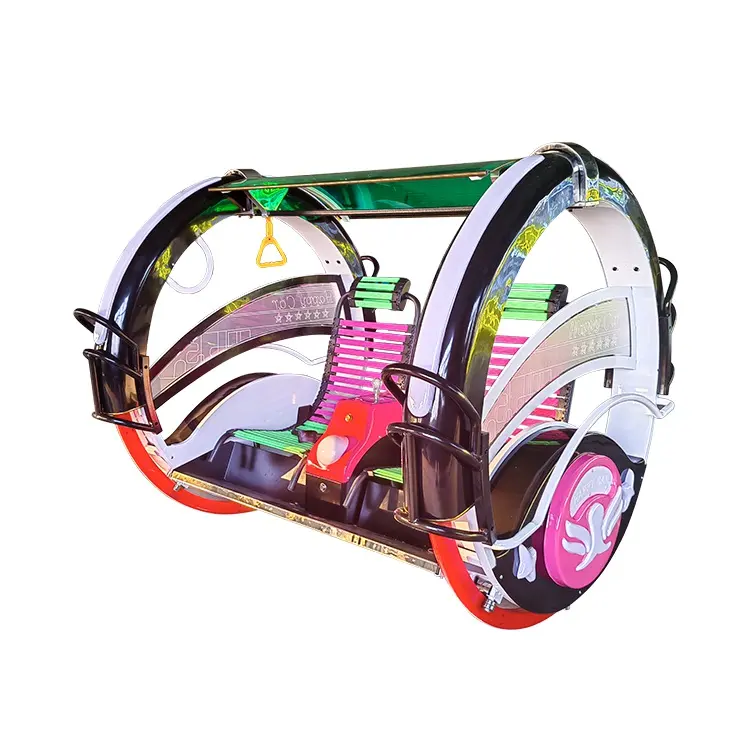
Marwey 180 Degree Rolling Car for Sale 2 Seater Happy Roller Car Supplier
Discover the 180 Happy Rolling Car, an exciting spinning amusement ride for theme parks and family entertainment centers. Safe, durable, and customizable by Marwey.
 Scan QR Code