What Certification Does an Amusement Ride Need in the EU and US?
Short answer: In the EU/EEA, an amusement ride such as a 360 Rolling Car needs CE marking under the Machinery Directive 2006/42/EC, supported by the EN 13814 series of standards for amusement rides and structures. In the US, there is no federal ride-certification authority — rides are regulated at state level through inspection regimes that commonly reference ASTM F24 committee standards, while the electrical components still need a UL or other NRTL listing for most venues and insurers. The UK uses UKCA. Without the right documents, the compliance obligation lands on you as the importer or operator, not on the factory.
This matters more for rides than for arcade games. A claw machine is judged mainly on electrical safety; a ride carrying passengers is judged on structural integrity, restraint systems, control reliability and operating procedure.
What does the EU actually require?
Three separate things get confused in supplier conversations, so separate them:
1. CE marking. A ride placed on the EU market must carry CE marking and be accompanied by an EC Declaration of Conformity. The directive that applies to powered amusement rides is the Machinery Directive 2006/42/EC. CE is a self-declaration by the manufacturer supported by a technical file — there is no central EU body that issues a "CE certificate".
2. Harmonised standards. The EN 13814 series covers the safety of amusement rides and structures. EN 13814-1 addresses design and manufacture, EN 13814-2 addresses operation and maintenance, EN 13814-3 covers inspection and testing. The Declaration of Conformity should name the standards applied, and the technical file should show the ride was assessed against them.
3. Electrical compliance. Where the ride carries electrical drive, controls or lighting, the Low Voltage Directive and the EMC Directive apply alongside the Machinery Directive, and RoHS and REACH apply to the materials. These are additions, not alternatives.
The practical test is not whether a supplier says "we have CE". It is whether they can produce a Declaration of Conformity naming your model and the standards it was tested against.
What does the US require?
The US does not have a single federal amusement ride regulator. Regulation sits with state ride-safety programmes, which set their own inspection and permitting rules, and in many states those rules reference ASTM F24 standards for amusement rides and devices. That means the requirement is not "get a federal certificate" but "satisfy the authority that inspects your ride where you operate it".
Two consequences for buyers:
- Ask which state you will operate in. Inspection regimes, permit cycles and operator training requirements vary, and some are materially stricter than others.
- Keep the documentation package complete. Inspection is a document review as much as a physical inspection.
On the electrical side, the components inside the ride — drive, controller, lighting — normally need a UL or other NRTL listing to satisfy insurers and local electrical inspectors, even where no state ride programme demands it.
How do the markets compare?
| Market | Core requirement | Ride-specific standards | Marking |
|---|---|---|---|
| EU / EEA | Machinery Directive 2006/42/EC | EN 13814-1/-2/-3 | CE + DoC |
| UK | UK machinery safety regulations | BS EN 13814 | UKCA |
| US | State ride-safety programme | ASTM F24 (commonly referenced) | State permit; UL/NRTL for electrical |
| Australia / NZ | State-based ride regulation | AS 3533 series | RCM for electrical |
| Canada | Provincial regulation | ASTM F24 / CSA where adopted | Provincial permit; cUL |
If you plan to operate in more than one market, buy a ride that already holds the widest set of approvals. Retrofitting certification usually means changing structural elements, restraints or controls — rarely cheaper than specifying it at the start.
Which documents should you request?
Before paying a deposit, ask for this pack and check that the model numbers match your purchase order:
- EC Declaration of Conformity naming the exact model and the directives and standards applied
- EN 13814 assessment or test report covering design, manufacture and restraint systems
- Structural calculations for the chassis, frame and anchor points
- Electrical test reports: LVD safety and EMC emissions and immunity
- UL or NRTL file number for components intended for the US market
- Operation and maintenance manual matching EN 13814-2 expectations, including inspection intervals
Ask any supplier — Marwey included — for the pack that matches the specific model and voltage configuration you are buying. A company-level certificate that does not name the model proves nothing about the ride on your site.
What are the red flags?
- A "CE certificate" with no Declaration of Conformity behind it. CE is a declaration, not a paper issued by a body.
- Documents naming a different model, ride type or voltage. A 220V EU unit and a 110V US unit are not the same product from a compliance standpoint.
- No structural documentation. For a passenger-carrying ride, the structural file is the core of the technical file.
- An operation manual with no inspection intervals. EN 13814-2 expects documented inspection and testing; a manual that omits it will not satisfy an inspector.
- A price that undercuts comparable quotes widely. Certified structures, restraints and controls cost more. Something in the chain was skipped.
FAQ
Is CE marking required if I import a ride for my own venue? Yes. Placing the ride on the EU market — including importing it yourself for commercial operation — brings it within scope. Personal use is a narrow exception that does not cover running a paid attraction.
Can a Chinese laboratory support an EU Declaration of Conformity? A laboratory can test against EN 13814 and the applicable electrical standards, and its reports can support the manufacturer's declaration. What matters is that the declaration names your model and standards and that the reports are traceable.
Is UL the same as a state ride permit? No. UL is an electrical safety listing for components and equipment. A state ride permit comes from the ride-safety programme where you operate. You generally need both, for different reasons.
How long does certification take? Testing is usually weeks once a sample is ready. The long variable is redesign: if the structure or restraint system fails assessment, rework and retest can add months.
Do spare parts need to be certified? In effect, yes. Replacement drives, controllers, restraints or structural parts must match the certified configuration, or the ride's conformity status changes. Specify certified spares in the supply agreement.
Sources
- EN 13814 Amusement Ride Safety Guide — Pacific Cert
- CE Certification for Amusement Rides: Buyer's Guide — Sinorides
- Guide to application of the Machinery Directive 2006/42/EC — CEN-CENELEC
- HS Heading 9508 — Amusement park rides and fairground amusements
Related reading
Before you order, work through our guide to importing a 360 Rolling Car, and check the payment and acceptance testing terms that should match the certification you are relying on.
Payment Terms and Acceptance Testing for Amusement Ride Orders
What Certification Does an Amusement Ride Need in the EU and US?
Importing a 360 Rolling Car: HS Code 9508, Freight and Customs
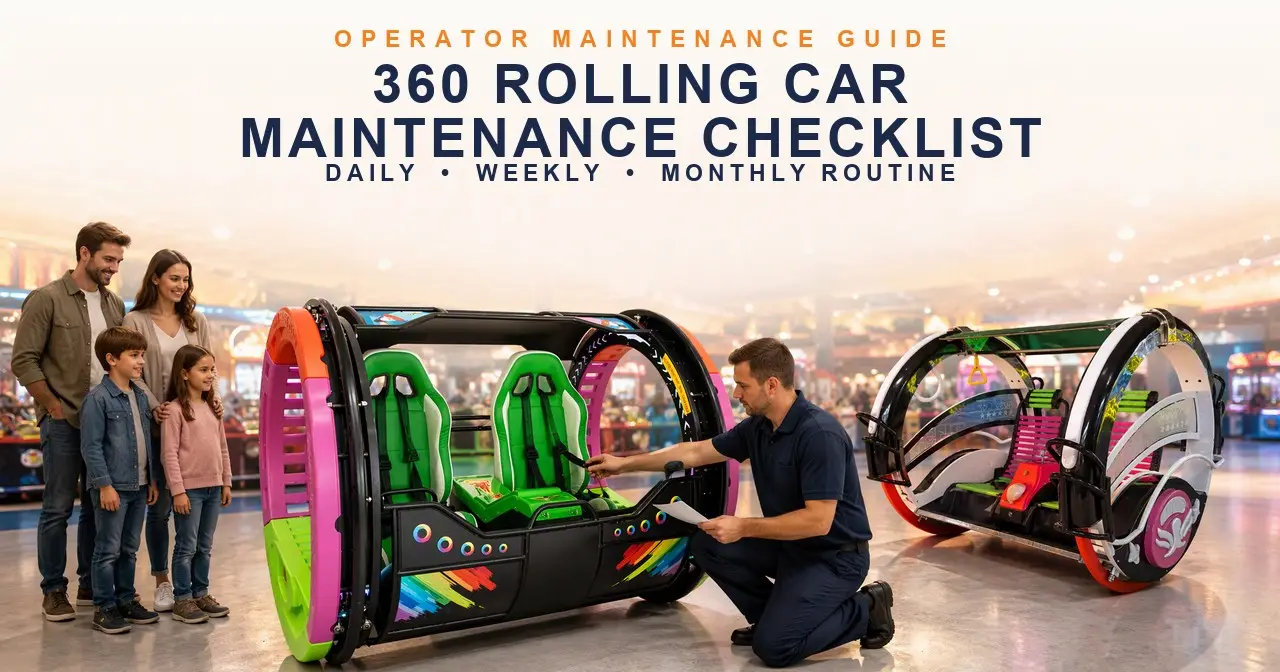
360 Rolling Car Maintenance Guide: Daily, Weekly and Monthly Operator Checklist
360 Rolling Car
How can I start a project with Marwey?
Simply contact our team through the website or request a quote. Our specialists will help you with project planning, equipment selection, layout design, and turnkey solutions tailored to your entertainment venue.
What is a 360 Rolling Car?
A 360 Rolling Car is an interactive amusement ride designed to deliver a thrilling spinning experience. Riders sit inside a specially engineered vehicle that can rotate 360 degrees while moving along a track or within a designated area. It is commonly installed in amusement parks, family entertainment centers (FECs), theme parks, and tourist attractions.
What age group is the 360 Rolling Car suitable for?
The 360 Rolling Car is typically suitable for riders aged 6 years and above. Younger riders may participate when accompanied by an adult, depending on local safety regulations and park policies.
Can the 360 Rolling Car be customized?
Yes. Marwey offers customization options including colors, branding, lighting effects, and thematic designs. This allows operators to match the ride with the theme of their park, arcade, or entertainment center.
Is the 360 Rolling Car safe for riders?
Yes. Safety is a top priority in the design of the 360 Rolling Car. The ride is equipped with reinforced safety harnesses, high-strength structural frames, and reliable control systems. Each unit is tested according to strict quality and safety standards to ensure stable operation and rider protection.
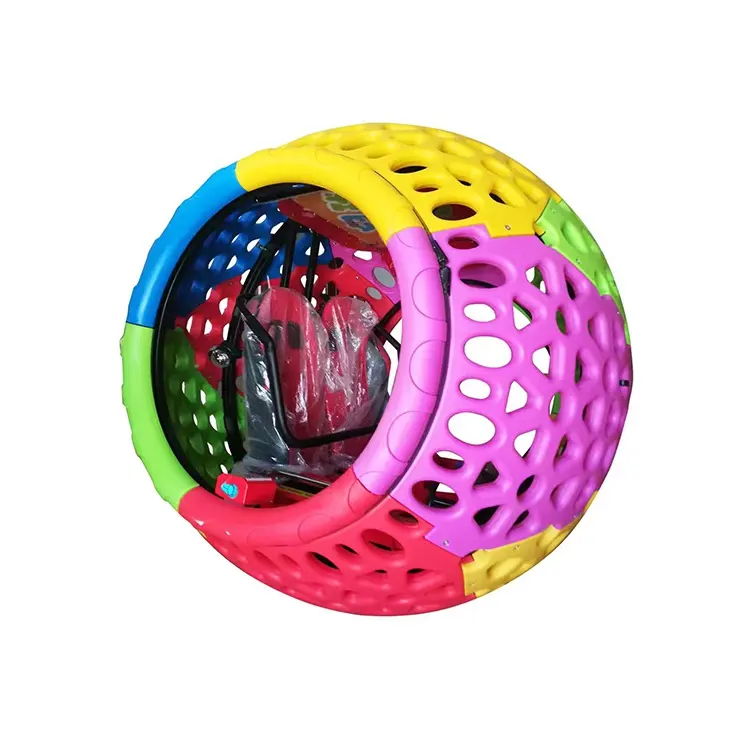
Marwey 360 Degree Remote Control Rolling Car Ride Wholesale Swinging Hamster Ball Manufacturer
Add excitement to your venue with the 360 Rolling Car Swinging Hamster Ball. A thrilling attraction for amusement parks and family entertainment centers.
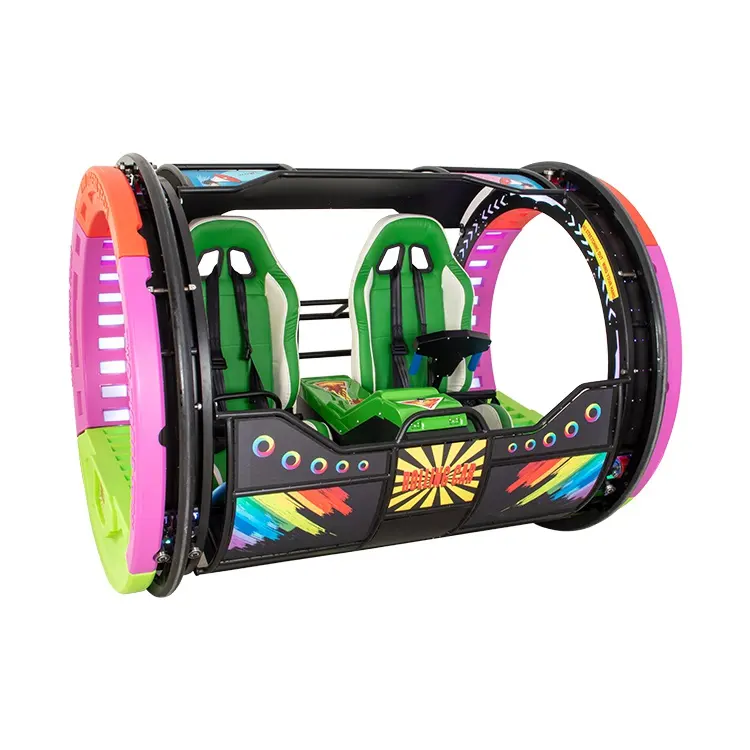
360 Degree Rolling Car for Adults Space Walker 360 Rolling Car Ride for Sale Marwey Amusement Equipment
Explore Marwey’s 360 Rolling Car ride, a thrilling amusement attraction for theme parks and FECs. Durable design, smooth rotation, and customizable solutions.
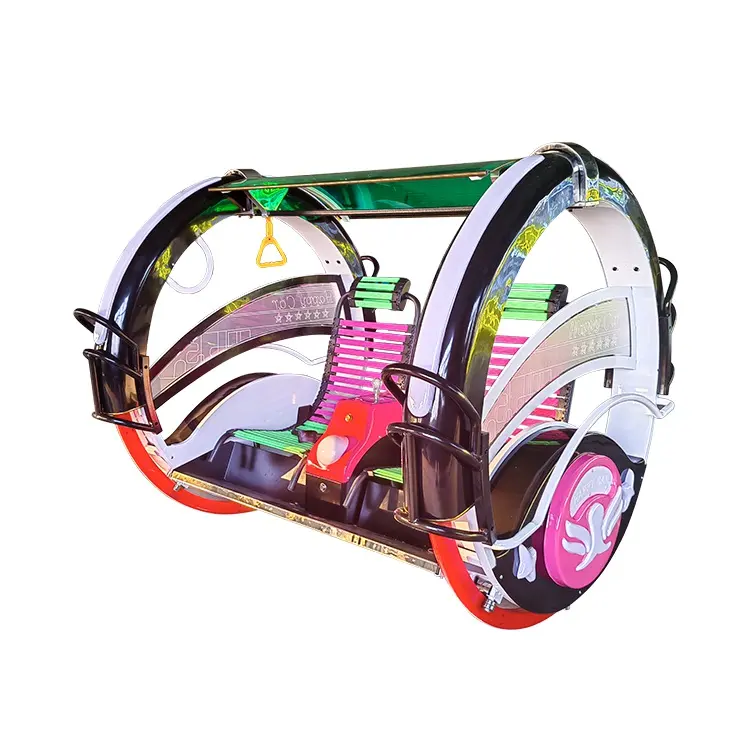
Marwey 180 Degree Rolling Car for Sale 2 Seater Happy Roller Car Supplier
Discover the 180 Happy Rolling Car, an exciting spinning amusement ride for theme parks and family entertainment centers. Safe, durable, and customizable by Marwey.
 Scan QR Code