
Spare Parts and Replacement Cycles for 360 Rolling Car Rides
A spare parts plan for rolling car operators: the essential stock list, the order in which components wear out, how to order the right variant first time, and how to align lead times with your season.
- Spare Parts and Replacement Cycles for 360 Rolling Car Rides
- Why parts planning matters more than parts price
- The essential stock list
- Wear cycles: what fails, and in what order
- How to order the right part first time
- Lead time planning
- Storing parts so they are usable when you need them
- Frequently asked questions
- Which spare parts should a new operator buy with the first ride?
- How often should joysticks be replaced?
- Can we use a third-party charger or battery?
- Do all three models share parts?
- What is the fastest way to get a ride running again?
- Stock less, but stock the right things
Spare Parts and Replacement Cycles for 360 Rolling Car Rides
Every operator eventually buys the same part twice — once in a panic, at whatever price and lead time the situation allows, and once properly, after the ride has already been down for a week. The point of a spare parts plan is to make the second purchase unnecessary.
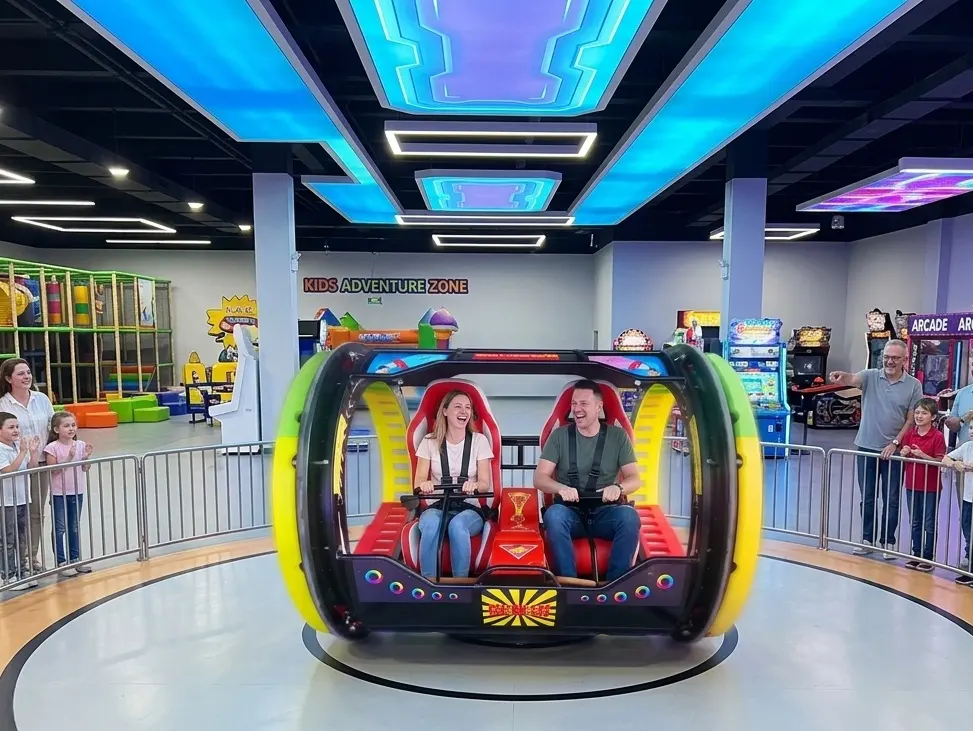
This guide covers what to stock for the Marwey 360 Rolling Car, 180 Happy Rolling Car and 360 Rolling Hamster Ball, which parts wear on a predictable cycle, and how to order so that the part arriving is the part that fits.
Why parts planning matters more than parts price
A joystick costs a small fraction of a day's ride revenue in most venues. The expensive version of that joystick is the one you order express because the ride is closed and a school group is booked for tomorrow. Parts planning is not about buying cheaply; it is about never paying the emergency premium and never losing a booking to a component worth less than the booking.
The second reason is fit. Rolling car variants differ by model and by revision — a joystick that fits the 360 Rolling Car is not automatically the right unit for the Hamster Ball, and a charger specified for a 48V pack is wrong for a 12V pack. Stocking without part numbers is how operators end up with a drawer of almost-right components.
The essential stock list
These are the items that stop a ride for a day or more and are cheap enough to hold on site:
| Item | Why keep it | Suggested quantity per ride |
|---|---|---|
| Joystick assembly | Most common control failure; swap test isolates faults fast | 1 |
| Charger (correct voltage) | Charger faults are more common than battery faults | 1 per 2–3 rides |
| Fuses and breakers | Cheap, and a blown fuse closes the ride | Assorted set |
| Restraint buckle / belt | Safety-critical, cannot be improvised | 1 |
| Fasteners (specified grade) | Vibration loses them; wrong grade is a safety issue | Assorted set |
| Tyres / rollers | Wear item on floor contact | 1 set |
| Emergency stop button | Safety-critical, mechanical wear | 1 |
Everything else — motors, controllers, drive assemblies, structural parts — is better ordered against a diagnosed fault than held on a shelf, unless you run a large fleet or operate somewhere with long inbound freight times.
Wear cycles: what fails, and in what order
Across joystick-controlled rides, the same components tend to fail in the same sequence. Use this as a planning order, not as a guarantee:
- Joystick assembly. The highest-cycle component on the ride. It is actuated thousands of times a week and it is the first thing to show drift, a dead zone, or a sticky return. Replace on symptoms, never on a schedule alone.
- Battery pack. Capacity declines with cycle count and with abuse. Track working hours per charge; replace when the ride no longer completes the session length you sell. See our battery and charging guide for the measurement routine.
- Tyres, rollers and floor-contact parts. Wear rate depends almost entirely on your floor surface. A smooth indoor floor gives long life; a rough outdoor surface or a venue with grit on the floor will consume them far faster.
- Restraint components. Springs, buckles and webbing wear with use and with cleaning chemicals. Inspect monthly; replace at the first sign of stiffness or fraying.
- Bearings and drive components. Long-lived if lubricated correctly, short-lived if water or grit gets in. Noise is the earliest signal.
- Charger. Cables and connectors fail before the electronics do. A damaged lead is a replacement, not a repair.
How to order the right part first time
Four pieces of information prevent almost every wrong-part order:
- Model name as printed on the ride. Our range includes the 360 Rolling Car, the 180 Happy Rolling Car and the 360 Rolling Hamster Ball, and they do not share all components.
- Specification values. Battery voltage and capacity, drive power and charger rating. The 360 Rolling Car runs a 300W drive on a 48V20AH pack; the 180 Happy Rolling Car uses a 12V45AH pack. A 48V charger on a 12V pack is a fire, not a mistake.
- Serial number or purchase date. Revisions happen. The serial tells the supplier which revision you own.
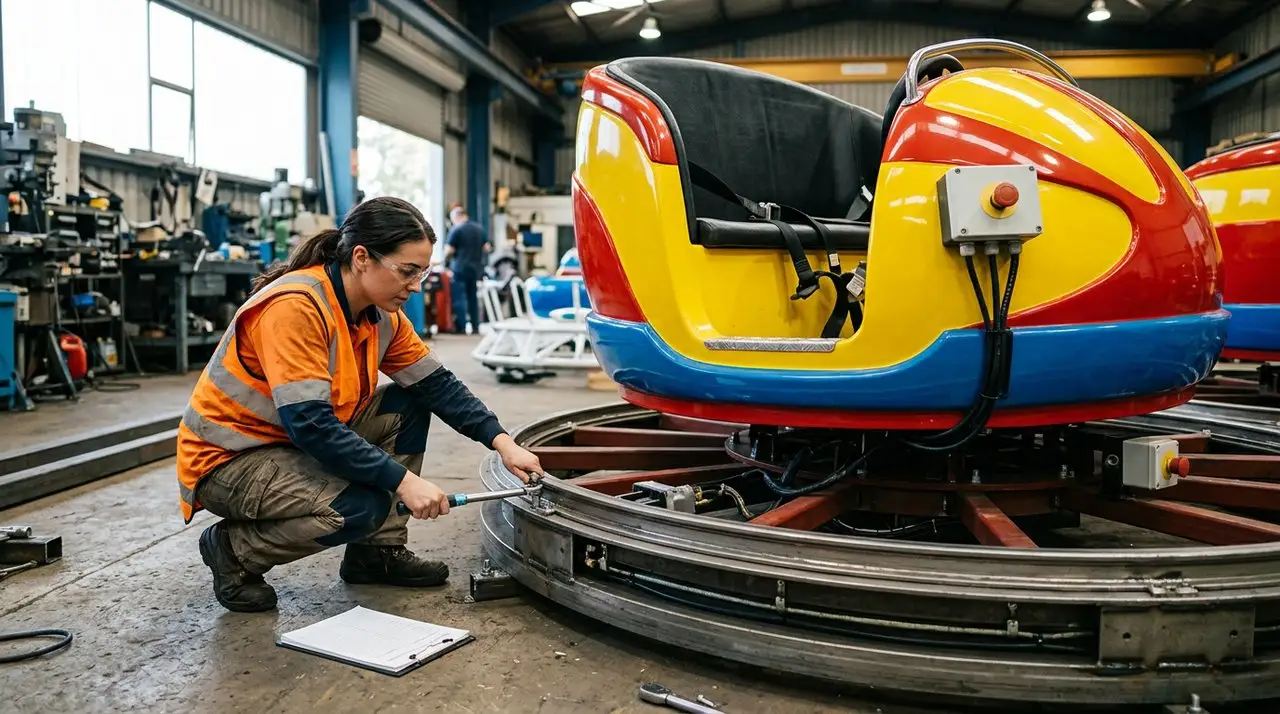
- A photograph of the failed part, in place. Connectors and mounting patterns vary; a photo removes the ambiguity that part names leave.
Lead time planning
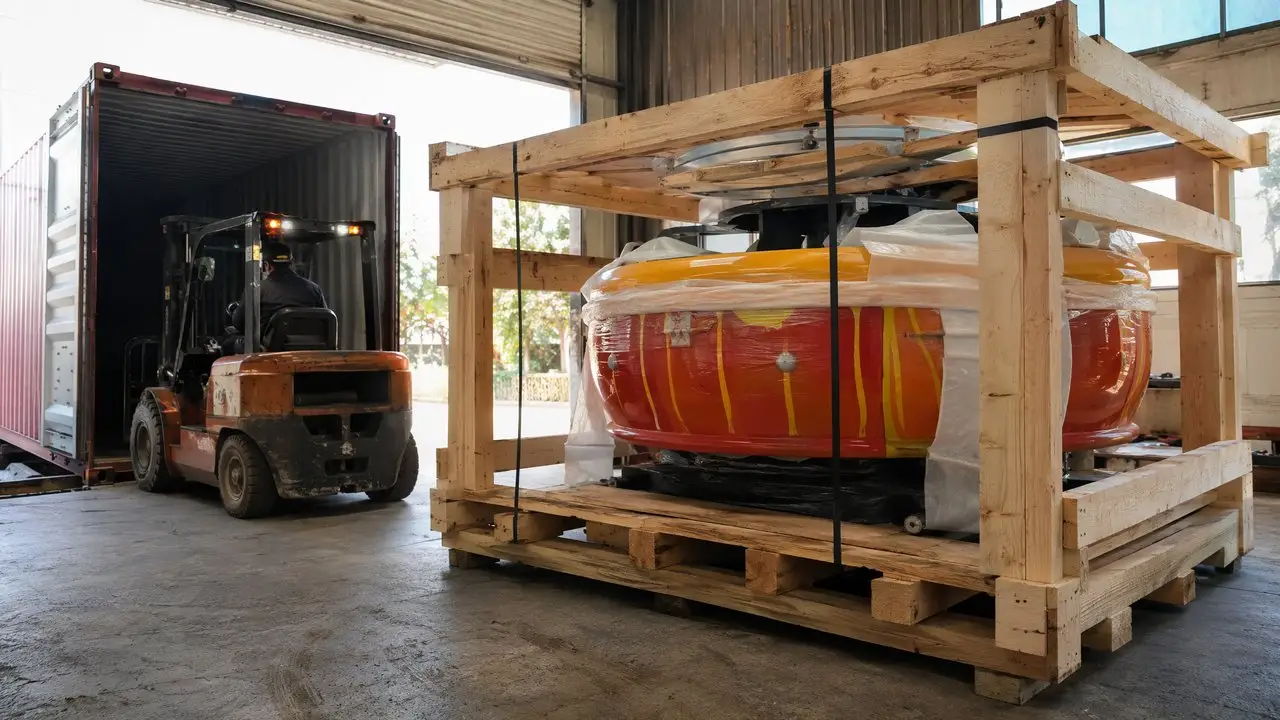
Work backwards from your season, not from the failure. If your peak period is a school holiday or a summer weekend cluster, the parts you need must be on site before it starts, because inbound freight does not care about your calendar.
A simple rule that works for most operators: consumables (joysticks, chargers, restraints, fuses) arrive before the season opens; repairables (motors, controllers) are ordered against diagnosis with a lead-time buffer equal to your longest inbound freight window. If that window is measured in weeks, hold one of each critical repairable across the fleet.
Storing parts so they are usable when you need them
- Label every part with the model and specification it fits. An unlabelled joystick is a guess.
- Keep batteries at partial charge and in a dry, cool place — a spare pack stored flat may be dead when you reach for it.
- Keep safety-critical parts (restraints, emergency stops) in original packaging with documentation, so fitment is traceable.
- Record parts consumption in the maintenance log. Two joysticks in a quarter on the same ride is a symptom, not a stocking problem.
Frequently asked questions
Which spare parts should a new operator buy with the first ride?
One joystick assembly, one charger, a fuse set, one restraint, an emergency stop button and fastener set. That covers the failures that close a ride the same day, and costs little relative to the ride.
How often should joysticks be replaced?
On condition, not on a calendar. Replace at the first sign of drift, a dead zone or a slow return to centre. A joystick that does not centre reliably is a safety issue, not a wear item to tolerate.
Can we use a third-party charger or battery?
Only if it matches the specified voltage, capacity and charging profile, and only with the manufacturer's confirmation. Mismatched charging is the most common cause of pack failure and the most common cause of charging fires.
Do all three models share parts?
Not all of them. The 360 Rolling Car and 360 Rolling Hamster Ball share a 300W drive family but use different packs (48V20AH versus 48V25AH) and different charging times, and the 180 Happy Rolling Car uses a 12V45AH pack. Always order against model and specification.
What is the fastest way to get a ride running again?
Isolate the fault with a swap test using your spare joystick, then order only the failed component. See our troubleshooting sequence for the order to check things in.
Stock less, but stock the right things
A spare parts plan is not a warehouse. It is a short list of cheap components that decide whether a ride opens tomorrow, plus a disciplined way of ordering the expensive ones. Combined with the daily and monthly checks in our maintenance schedule, it turns most failures into a ten-minute swap instead of a lost week.
Building a fleet across several sites, or need the parts list for a specific model? Contact our team with your model and serial, or start from the operations guides for the wider picture on running rides profitably.
Off-Season Storage and Restart Checks for Rolling Car Rides
360 Rolling Car Maintenance Schedule: Daily to Yearly Checklist
Troubleshooting a 360 Rolling Car: Joystick, Motion and Power Faults
Spare Parts and Replacement Cycles for 360 Rolling Car Rides
360 Rolling Car
What is a 360 Rolling Car?
A 360 Rolling Car is an interactive amusement ride designed to deliver a thrilling spinning experience. Riders sit inside a specially engineered vehicle that can rotate 360 degrees while moving along a track or within a designated area. It is commonly installed in amusement parks, family entertainment centers (FECs), theme parks, and tourist attractions.
What maintenance is required?
Routine maintenance is simple and includes regular inspections, lubrication of moving components, and safety checks. We provide a detailed maintenance guide to ensure smooth operation and long service life.
Is the 360 Rolling Car safe for riders?
Yes. Safety is a top priority in the design of the 360 Rolling Car. The ride is equipped with reinforced safety harnesses, high-strength structural frames, and reliable control systems. Each unit is tested according to strict quality and safety standards to ensure stable operation and rider protection.
What space is required to install a 360 Rolling Car?
Installation requirements vary by project size and layout. In general, the ride requires a dedicated area with sufficient clearance for rotation and movement, along with stable ground. Our team provides site planning and layout design to ensure efficient use of your space.
How can I start a project with Marwey?
Simply contact our team through the website or request a quote. Our specialists will help you with project planning, equipment selection, layout design, and turnkey solutions tailored to your entertainment venue.
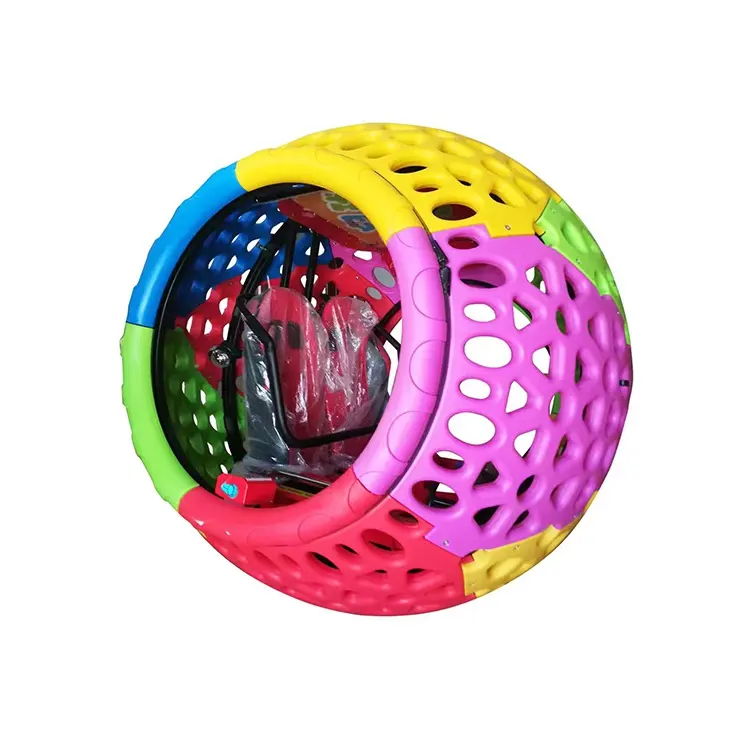
Marwey 360 Degree Remote Control Rolling Car Ride Wholesale Swinging Hamster Ball Manufacturer
Add excitement to your venue with the 360 Rolling Car Swinging Hamster Ball. A thrilling attraction for amusement parks and family entertainment centers.
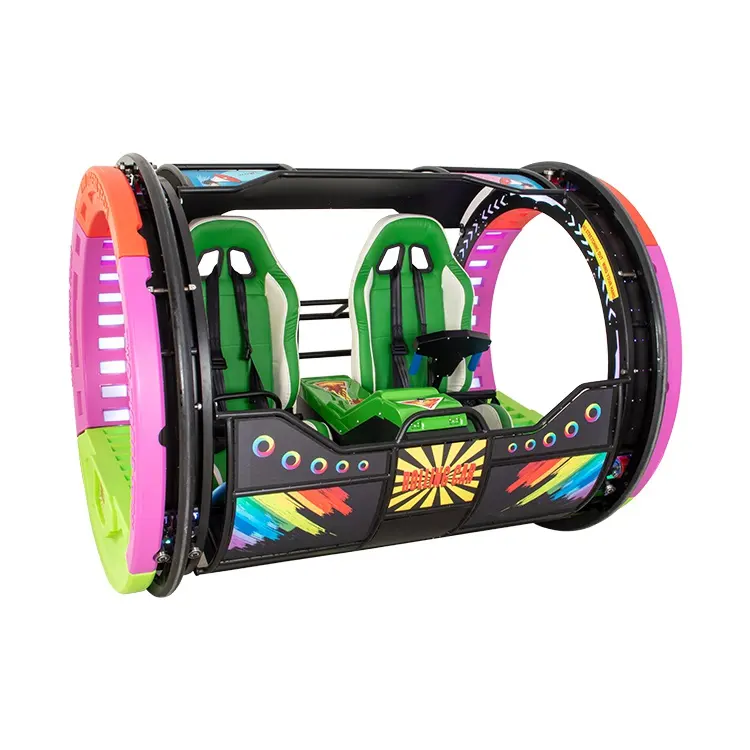
360 Degree Rolling Car for Adults Space Walker 360 Rolling Car Ride for Sale Marwey Amusement Equipment
Explore Marwey’s 360 Rolling Car ride, a thrilling amusement attraction for theme parks and FECs. Durable design, smooth rotation, and customizable solutions.
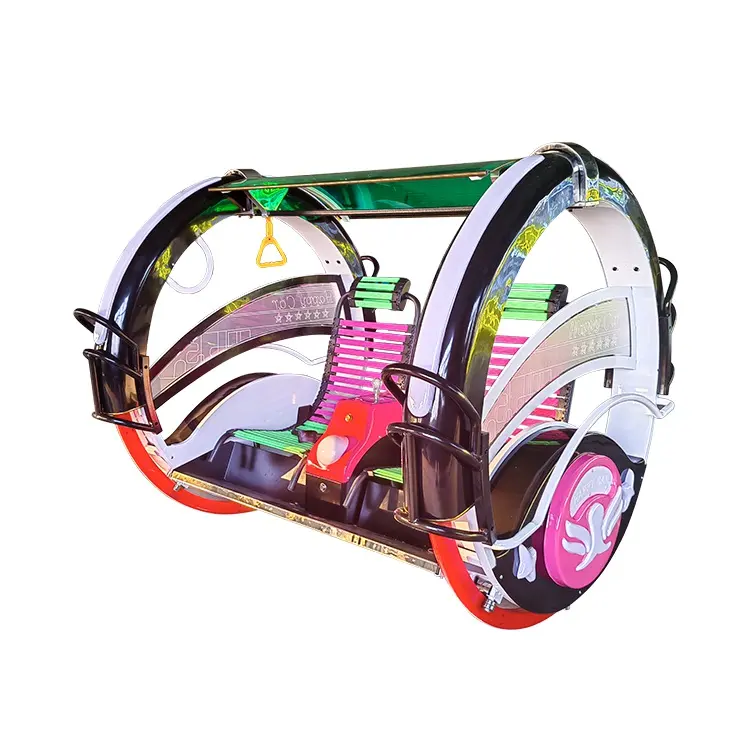
Marwey 180 Degree Rolling Car for Sale 2 Seater Happy Roller Car Supplier
Discover the 180 Happy Rolling Car, an exciting spinning amusement ride for theme parks and family entertainment centers. Safe, durable, and customizable by Marwey.
 Scan QR Code